Wie Sie Ihre dubbele materialiteitsanalyse berichten und kommunizieren


Disclaimer: New EUDR developments - December 2025
In November 2025, the European Parliament and Council backed key changes to the EU Deforestation Regulation (EUDR), including a 12‑month enforcement delay and simplified obligations based on company size and supply chain role.
Key changes proposed:
- New enforcement timeline: 30 December 2026 for large/medium operators, 30 June 2027 for small/micro operators
- Simplified DDS: One-time declarations for small and micro primary producers
- Narrowed scope: Most downstream actors and non‑SME traders would no longer need to submit DDSs
- New DDS requirement: Estimated annual quantity of regulated products must be included
These updates are not yet legally binding. A final text will be confirmed through trilogue negotiations and formal publication in the EU’s Official Journal. Until then, the current EUDR regulation and deadlines remain in force.
We continue to monitor developments and will update all guidance as the final law is adopted.
Mit den näher rückenden Fristen der Corporate Sustainability Reporting Directive (CSRD) der EU müssen Unternehmen sich mit einer ihrer zentralen Anforderungen vertraut machen: der dubbele materialiteitsanalyse. Vereinfacht gesagt ist dies ein entscheidender erster Schritt im CSRD-Prozess, der dabei hilft, die relevantesten Nachhaltigkeitsthemen für deinen Bericht zu ermitteln.
Die Durchführung der Analyse ist bereits eine Herausforderung. Hinzu kommt, dass die Dokumentation den strengen Prüfanforderungen der CSRD entsprechen muss.
In diesem Blogbeitrag erläutern wir die Bedeutung der dubbele materialiteitsanalyse, stellen hilfreiche Ressourcen bereit und geben praktische Tipps, damit deine Berichte prüfbereit sind.
Kurze Zusammenfassung: die dubbele materialiteitsanalyse und ihre Rolle bei der CSRD-Compliance
Die dubbele materialiteitsanalyse ist ein verpflichtender Schritt zur Einhaltung der European Sustainability Reporting Standards (ESRS) – dem Rahmenwerk der CSRD. Sie hilft Unternehmen dabei, festzustellen, welche Nachhaltigkeitsthemen unter den ESRS als „wesentlich
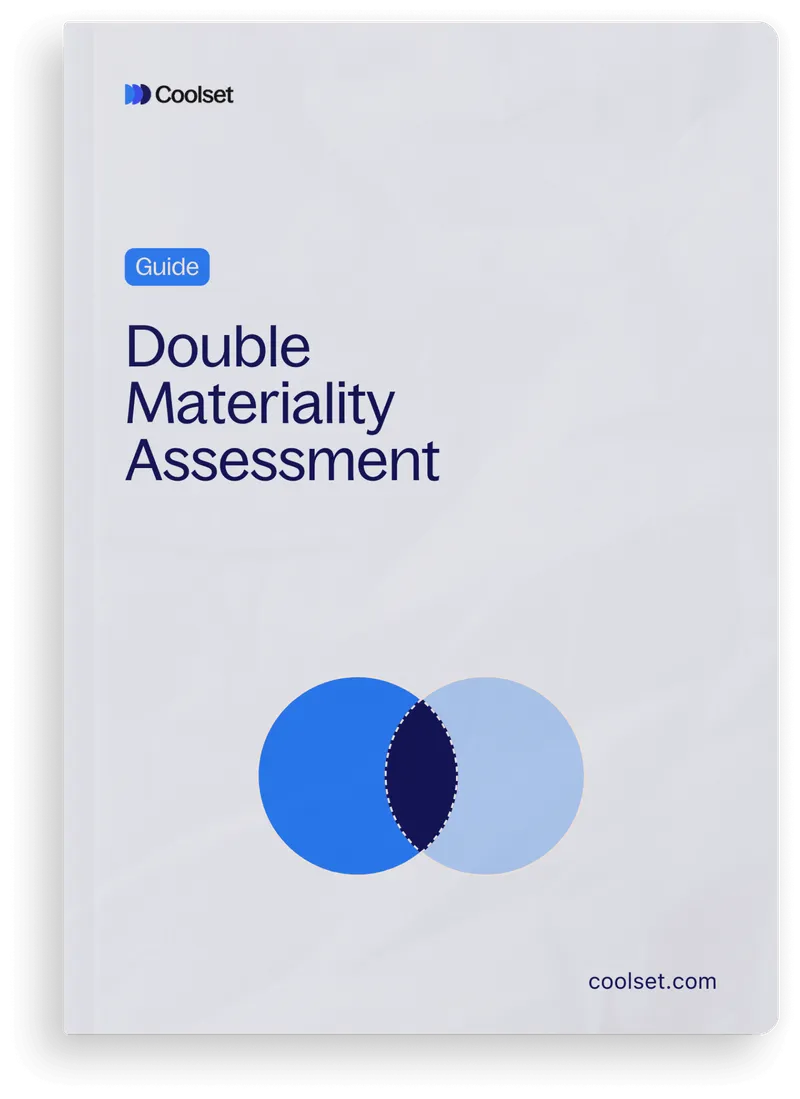
Download our free guide to kickstart your CSRD journey.

auf mobilen Bildschirmen
um diese Demo zu erleben.


↘ Check if your documentation meets PPWR requirements
This free compliance checker scans your packaging documentation and maps it against mandatory PPWR data requirements, giving you a clear view of your compliance status. Get actionable insights on documentation gaps before they become compliance issues.
Accelerate your CSRD journey today
Speak with one of our sustainability experts.