Carbon accounting: measuring and managing your corporate carbon footprint

Disclaimer: New EUDR developments - December 2025
In November 2025, the European Parliament and Council backed key changes to the EU Deforestation Regulation (EUDR), including a 12‑month enforcement delay and simplified obligations based on company size and supply chain role.
Key changes proposed:
- New enforcement timeline: 30 December 2026 for large/medium operators, 30 June 2027 for small/micro operators
- Simplified DDS: One-time declarations for small and micro primary producers
- Narrowed scope: Most downstream actors and non‑SME traders would no longer need to submit DDSs
- New DDS requirement: Estimated annual quantity of regulated products must be included
These updates are not yet legally binding. A final text will be confirmed through trilogue negotiations and formal publication in the EU’s Official Journal. Until then, the current EUDR regulation and deadlines remain in force.
We continue to monitor developments and will update all guidance as the final law is adopted.
Key takeaways
- Carbon accounting involves measuring, documenting and reporting all sources of greenhouse gas emissions across a company's operations and supply chain to identify reduction opportunities.
- Under the CSRD, companies must disclose Scope 1, 2 and 3 emissions as part of ESRS E1, making accurate carbon accounting a compliance requirement, not just a voluntary exercise.
- Coolset's carbon management platform automates emissions measurement, identifies hotspots and generates audit-ready GHG reports.
In a world where businesses must balance growth with environmental responsibility, carbon accounting is key. This is where we track greenhouse gas emissions and take steps to reduce them.
This guide takes you through the ins and outs of carbon accounting. We'll also introduce you to carbon accounting software to help make this task easier. It's all about charting a path to a greener future for your business.
What is carbon accounting?
Carbon accounting is a method used to measure, track, and report the greenhouse gas (GHG) emissions that an organization, product, event, or person is responsible for. Here's a simple breakdown:
Measurement
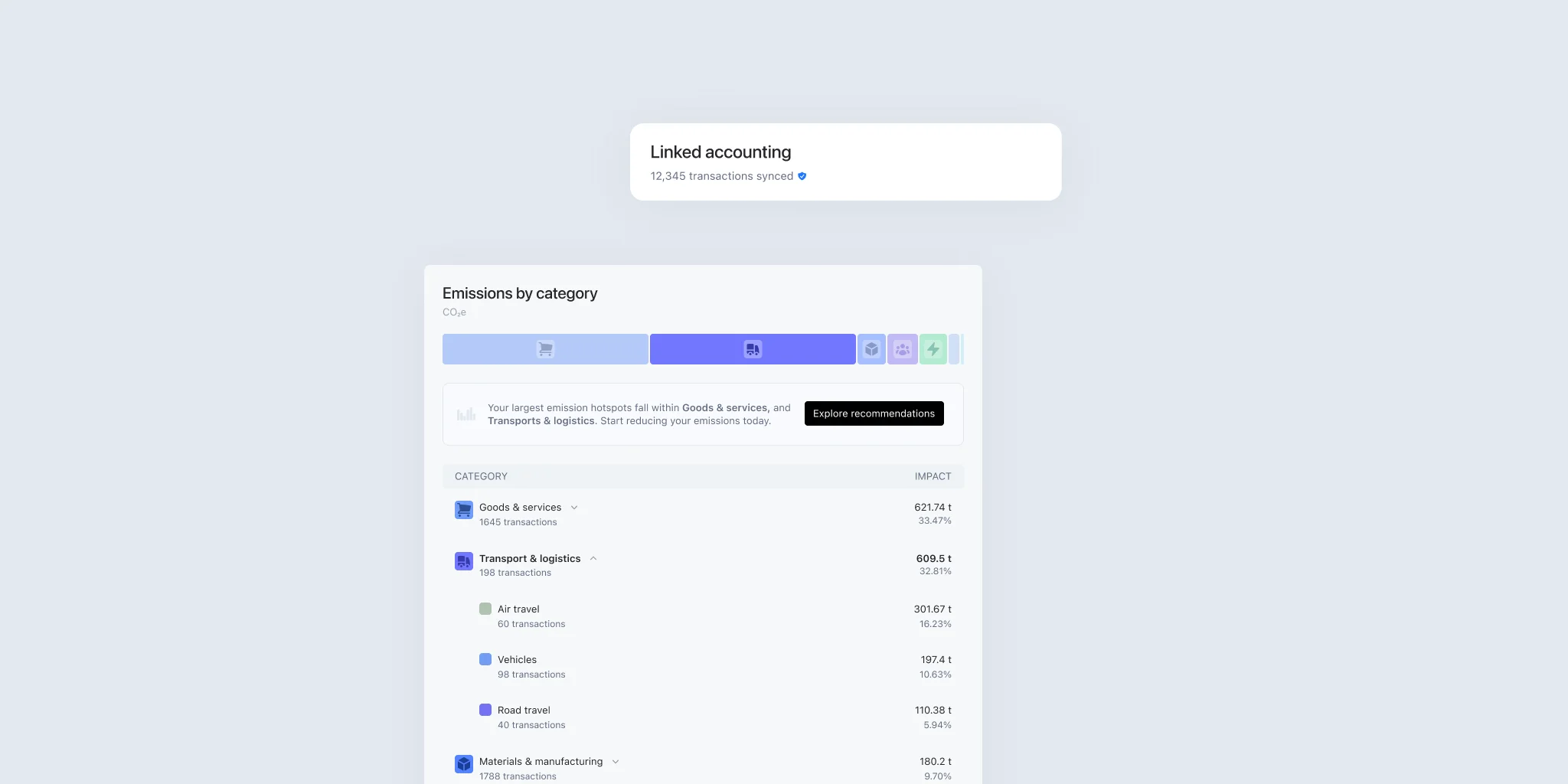
Carbon accounting involves quantifying the amount of carbon dioxide equivalents (CO2e) that activities emit into the atmosphere. This is often measured in metric tons.
Tracking
Carbon accounting isn't just a one-time thing. It requires consistent monitoring of GHG emissions over time to understand trends, make comparisons, and identify opportunities for reduction.
Reporting
Transparently communicating a company's emissions data is a key part of carbon accounting. This helps stakeholders understand the environmental impact of the company's activities.
Reduction
By identifying where most emissions come from, companies can strategically implement reduction initiatives.
Scope
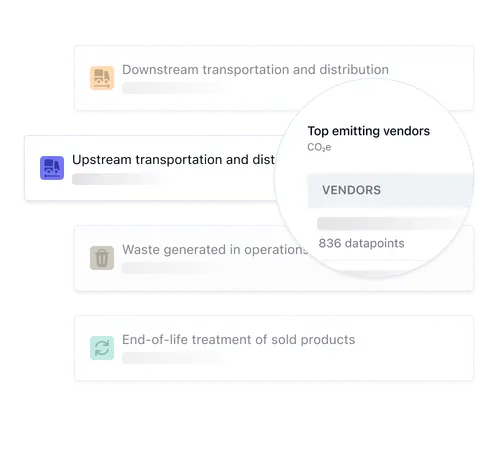
Carbon accounting takes into account emissions from direct operations (scope 1), indirect emissions from purchased electricity (scope 2), and other indirect emissions from activities like transportation, waste disposal, or raw material extraction (scope 3).

on mobile screens
to experience this demo.


↘ Check if your documentation meets PPWR requirements
This free compliance checker scans your packaging documentation and maps it against mandatory PPWR data requirements, giving you a clear view of your compliance status. Get actionable insights on documentation gaps before they become compliance issues.
Measure your scope 1, 2 and 3 effectively with Coolset
Talk to one of our sustainability experts today